Categories
General Aviation Planning

The best-laid plans…

Having found that time goes by very quickly in the ‘crew room’ prior to a flight, we were determined to get to the airport a lot earlier in future so we’d be ready to go as soon as our time-slot started and have more time at our destination.

Our next flight was another short one as bookings were still restricted, and this time we’d arranged to go to Popham airfield to meet Will’s parents for a late lunch. The booking was from 1pm so we left home at 10.30am giving us plenty of time for the 45-minute journey to the airport, all the last-minute bits of flight planning and prep, pre-flight inspection and fuelling, whilst still allowing time for distractions and even a cup of tea if things went smoothly. Our plan was for wheels up at around 1.15pm.

Well, you know what they say about the best-laid plans! About fifteen minutes after leaving home, we started to see signs about road closures. Traffic was okay at that point and we knew we could divert. Unfortunately so did every other driver on the planet! Two-and-a-half hours later, we got to the airport, hot, bothered and frustrated that despite all our best efforts, we were no better off. We had wondered en-route whether to cancel the booking altogether but by the time we got through to Will’s parents to explain, they were already at Popham having decided to go nice and early to watch all the comings-and-goings and general bustle of a busy airfield. Fortunately we were able to shift the booking by an hour.

By 2pm, we’d done everything we needed to do and were on our way to get fuel, only to find that just one of the four pumps was working so we had no choice but to join the queue. In the meantime, the wind had changed direction meaning we had to taxi to the furthest runway adding a further 15-20 minutes on top of the delays at the pumps before we were even at the hold.

I can’t remember what time it was when we eventually took off, but suffice to say that by the time we got to Popham we didn’t have time for a drink let alone anything to eat (though apparently the food is very nice there). Ten minutes after saying hello to Will’s parents, we were waving goodbye – we couldn’t even give them a hug due to Covid restrictions.
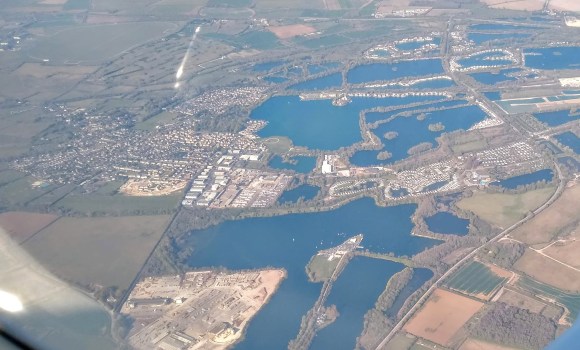
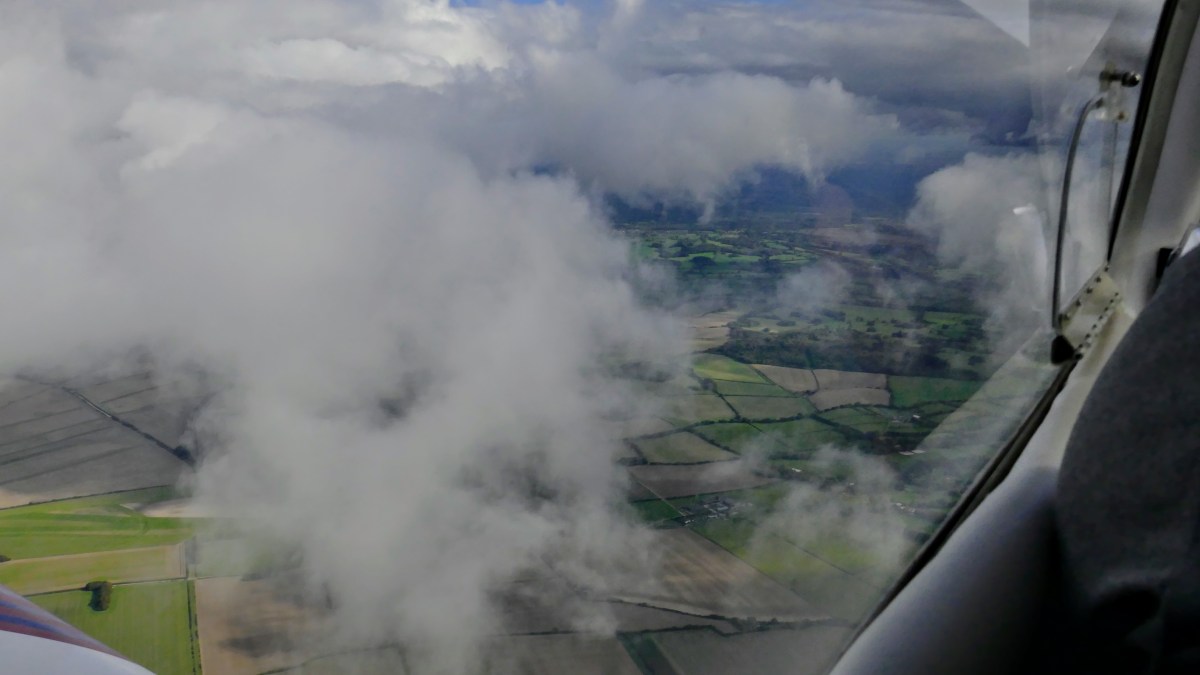
Looking out over Cotswold Water Park from around 3,000ft

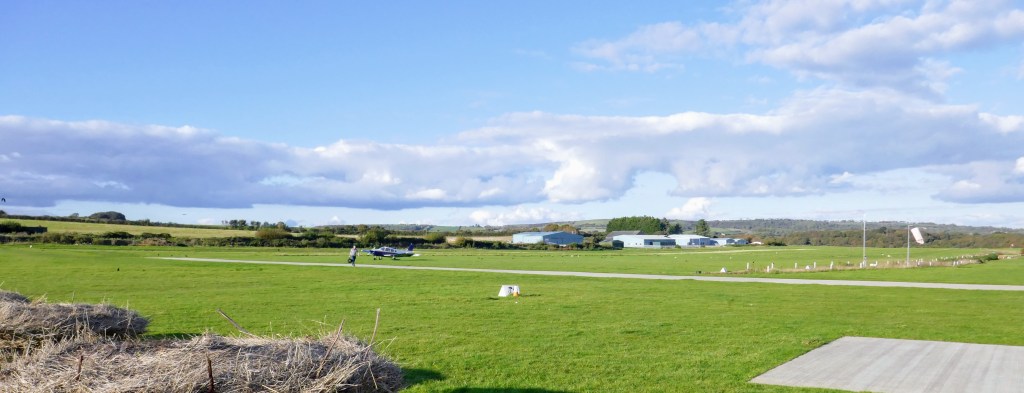
It was pretty gusty coming in to Popham so Charlie was a little all over the place as we started to descend but it was a beautiful landing despite Will’s earlier misgivings about grass runways. The wind was more settled going back and the landing at our base airport was a lot more straight-forward than the last time.

In less time than it had taken for us to drive to the airport that morning, we had left Popham, put Charlie back in the hangar, done the final bits of paperwork and were back at home with a pizza in the oven and a glass of wine in hand.
Categories
Flights General Aviation

The Squiggle

It was no surprise that as soon as Will had his licence signed off, he was on the syndicate’s booking app looking for Charlie’s next available slot.

Just before lockdown lifted it had been agreed to limit the number of hours each syndicate member could book Charlie out for, so this made it relatively easy to find an afternoon that same week.  As it was Will’s first time in years as pilot with a passenger on board (POB in radio-speak), he decided to go somewhere familiar and not too far away so Shobdon it was!  The plan was to arrive at the airport by 1pm, ready to take off around an hour later and then get back by 5pm.  What we hadn’t planned on was the quick hellos, introductions and other distractions from the friendly people in the flying club, the extra time needed for all the checks and the wait at the fuel pumps.

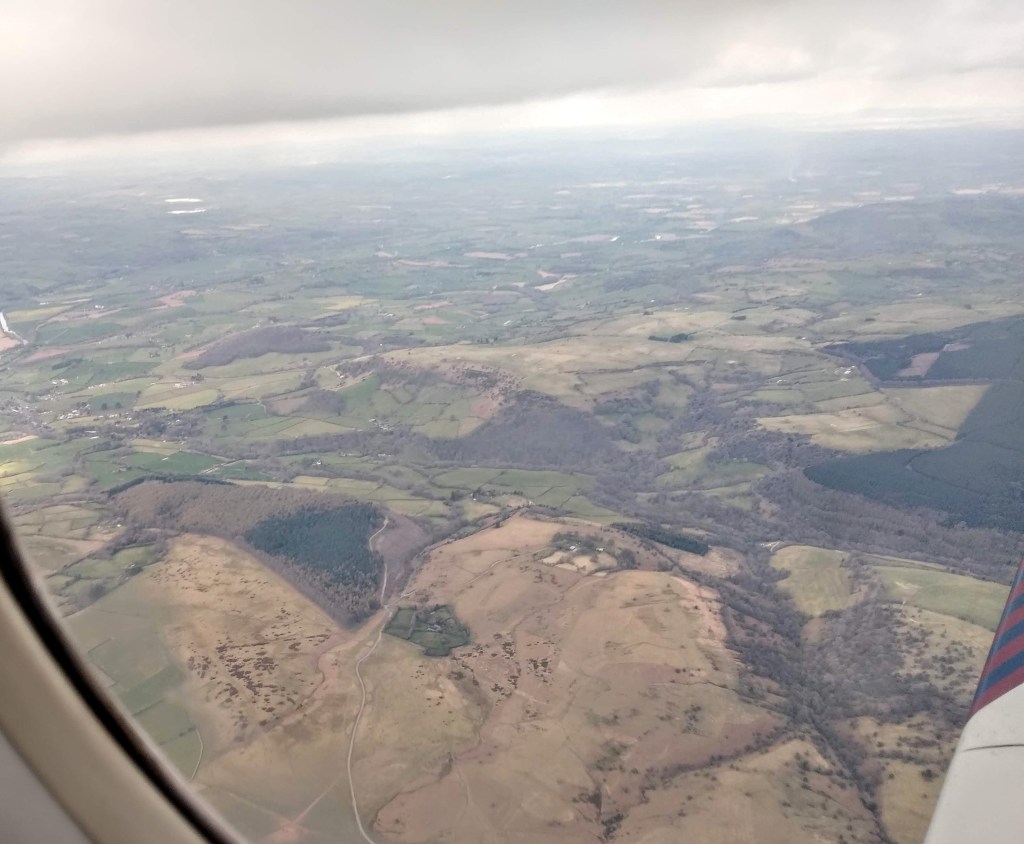
Our intended hour at Shobdon, where we had been looking forward to a cup of tea and cake, turned into a quick turnaround with just enough time for Will to pay his landing fees.  We did get some lovely views over the Black Mountains though and the weather was lovely and calm, albeit with a few dark clouds over the mountains which we had to avoid. 

The Black Mountains
View of the Black Mountains from an altitude of around 5,000ft

Having just come out of lockdown and with perfect flying weather, it was inevitable that our home airport would be busy, but just how much became increasingly obvious as we got nearer to it.  At about 12 miles out, Will decided to do a couple of circuits around a local landmark – not to have a better look, but to wait for a bit of radio silence so that he could report in.  At the 3-mile point when he’d been asked to update, it was almost impossible to get a word in edgeways. It turned out that Covid restrictions had meant that only one person could be in the air-traffic tower at that time and the person whose turn it was, was having to manage both tower and approach. 

With multiple aircraft already in the circuit, non-standard instructions and a sudden change in runway just as we were about to line up, I’m sure any pilot would have been challenged.  Talk about a steep learning curve, Will must have been sweating once we’d landed!  I have to admire the guy in air-traffic too as it must have seemed relentless with everyone trying to get in before the airport closed. 

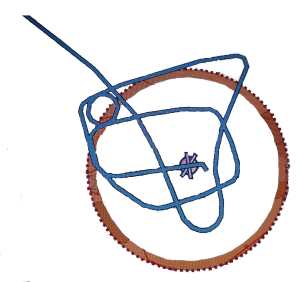
Track of our flight in to land

I actually didn’t have a clue of the route we’d had to do coming in so looked at the plot on Flight Radar afterwards.  The orange is the Airport Traffic Zone and the blue, which looks like someone’s picked up a crayon and made some random squiggles, is our track coming in from the north-west and landing from the west.

Categories
Radio Terminology

Radio Times

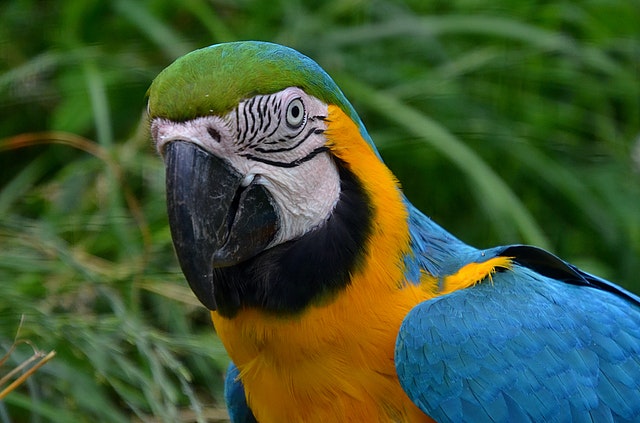
Question: What do a parrot and a walk through a bog
have in common?

Answer: They both make noises which are common radio terms in aviation.

In plane English (see what I did there!):

Squawk is a four-digit code given to the pilot by air traffic control (ATC). This establishes the aircraft on the air traffic controller’s radar screen and turns the random blip to an identified aircraft.

Once the pilot has been given the squawk code, he enters it into the plane’s transponder (a short of radio transmitter) which then emits the code to the world. Transponders have different ‘modes’ and can provide other useful information such as location and altitude.

Squelch is a function designed to minimise unnecessary radio noise. If you’ve ever heard the hiss and crackle of a transistor radio which isn’t quite tuned into the station you’re trying to listen to, this is what you’d get without squelch.

Ideally, squelch should be turned up just enough so that the background noise disappears and the station comes through nice and clear; too much squelch and you risk tuning-out the station you’re trying to listen to, too little squelch and you’ll have that constant hissing and crackling in the background. If the signal is weak, squelch will need to be minimised in an effort to get as much of the signal as possible.

“Hey guys, while we’re still on the ground can we listen to Heart FM instead please?”
Categories
Planning

Where next?

We’ve been enviously watching the comings and goings of Charlie on Flight Radar over the past few weeks, but we’ve been in Tier 3 and that’s not likely to change so we’re not going anywhere. That’s the consequence of living in a different area to the airport.

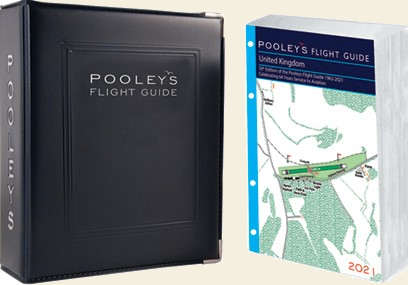
However, there’s nothing like planning for the future and when the 59th edition of the Pooley’s UK Flight Guide arrived fresh off the press, we were like kids pouring over the toy section of the Argos catalogue, mentally ticking off where we’d like to go first.

Pooley's Guide binder and book

With nearly 1000 aerodromes available ranging from huge international airports to tiny air strips, it seems there’s nowhere in the UK out of bounds.

Yes, we can meet up with friends, no matter where in the UK they live
Yes, we can take mum to her cousins’ without spending hours in the car
Yes, we can see all those wonderful sights on our “would love to visit” list

But hold on a minute!

A casual read of some of the pages in the guide started to set off alarm bells and so I took a closer look. As I turned over the pages, certain comments leapt out as if they were written in red ink and highlighted in neon yellow: “Danger areas nearby”, “Powerlines on approach”, “To avoid overflying … [with suggested instructions]”, “Steeply rising ground”, “Undulating runway”, “Railway line on short final”, “Possibility of [insert relevant word here] crossing the runway”, and so on. On top of that, Will has said he’d rather not land on grass and I’m sure he’s not too keen on competing with a load of commercial traffic either.

Bearing all of this in mind and with information provided by the guide, I decided to compile a list of criteria for our next few flights. Here it is:

  1. The page describing the airfield must not include any sections with the heading “Cautions” or “Warnings
  2. The section for each airfield headed “Remarks” must not contain the word “risk”, or any sentences starting with “A public road crosses …” or “Look out for …”
  3. The airfield map must not feature any buildings labelled “passenger terminal” or “cargo”
  4. The runway must be level, smooth and made of asphalt
  5. There must be no possibility of meeting up with flocks of Greylag Geese or any other type of bird. The same goes for gliders, parachutists and hot-air balloons
  6. Animals of any kind, pedestrians, cyclists or general road traffic must not be allowed anywhere near the runway
  7. Because I always like to break with coffee and at least a snack, if not a full-blown lunch, there must be a cafe or restaurant on-site or within walking distance (unless we’re going on to somewhere else)
  8. Fuel must be available as Charlie is only small and can’t carry a huge amount. Otherwise there must be somewhere to fill up en-route which meets the above criteria

So where does that leave us?

Taking all of the above points into consideration, I think we have a choice of about zero airfields to choose from, or perhaps two really obscure ones if I look hard enough. <sigh> Guess I’m going to have to revisit the list and think again!

Categories
Radio

Under Pressure

It all started when I looked out of the study window and commented on the clouds scudding across the sky (what a great word – scudding!) I saw that look on Will’s face which told me that: a) we were about to embark on a weather-related discussion; and b) he was tearing his hair out staring at the computer screen and this was a welcome excuse to focus on something a lot more enjoyable than work.

From the weather outside, the obvious conversation would have been about clouds, precipitation or gusting wind but it wasn’t. It was about air pressure and how it’s used as a measure to indicate the altitude of the aircraft. When taking off and passing through different zones, the air pressure is given over the radio so that the altimeter can be corrected to the local setting. Set it wrong, and you could end up higher or lower than you, and air traffic control, think you are (gulp!)

There are two settings used for light aircraft, abbreviated to QNH (altitude above sea level) and QFE (height above ground level). Later that day – as I often come back hours later to mull these things over – I realised that I’d have to find some way of remembering which was which. I subsequently found that my guess of “Nautical Height” was correct. The other is “Field Elevation” (not “From Earth”!) I couldn’t think of anything relevant for Q, but then discovered that it’s a throwback to radiotelegraphy when three letter codes were developed, all starting with Q, to save time and avoid confusion. It’s certainly quicker to say QFE than something like “This is what you need to set on the subscale of your altimeter so that the instrument would indicate its height above the reference elevation being used”  (the reference elevation being used generally meaning the airfield), or QNH rather than “This is what you should set on the subscale of your altimeter so that the instrument would indicate its elevation if your aircraft were on the ground at this station”

Will started to explain that commercial airlines and other aircraft that fly at those sort of levels, use a different setting but when he saw the faint look of bewilderment on my face, he realised that that would have to wait for another day.

—————————————————————————-

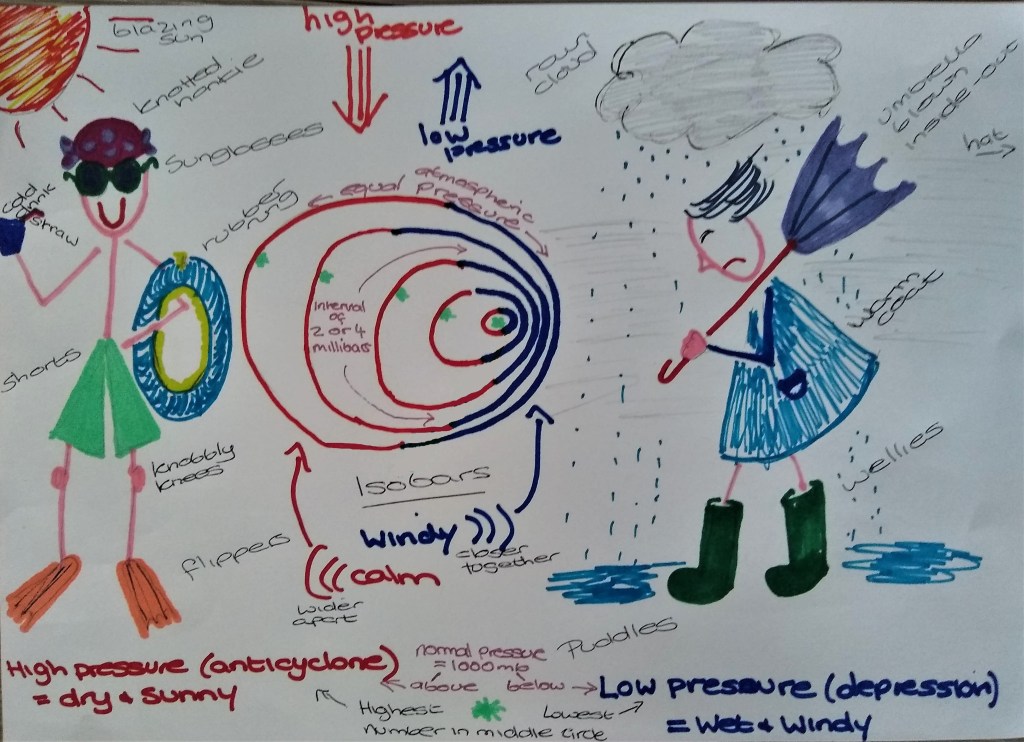
My illustration to remind me what isobars tell us and the effects of air pressure
A bit of fun while trying to remember the effects of air pressure and what isobars tell us
Categories
General Aviation

Charlie’s Lost Weight

Will turned to me the other day with a big smile on his face. “Charlie can take four people now”, he announced. Well, obviously not right now as no-one’s going anywhere until at least 2 December; but apparently, at some point in the future, four of us can go on a flight without risking the plane being too heavy to get off the ground.

“How can that be?” I wondered. It was only a few days ago that we were sheepishly explaining to friends that if the four of us wanted to go on a trip out, one of us would have to get the train.

I was informed that the reason for this sudden change, was that Charlie had just been weighed and had lost approx 55lb since his last weigh-in at the end of 2016.

I wasn’t convinced. I mean how did that happen?

  • What bits have fallen off without anyone noticing?
  • What item of vital equipment has someone decided we can do without?
  • Is Charlie now like Trigger’s broom, with so many bits replaced that there’s none of the original left? After all, materials are more lightweight now.

Thankfully, I’ve found out it’s none of those things. Most, if not all of the weight loss is due to the seats having been re-upholstered in leather. Posh, I know!

That then begged the question, what on earth was the previous upholstery made of? What coverings would weigh the same as leather, plus all that extra for four tiny seats? Carpet over a thin layer of concrete perhaps? Thick woollen tweed encrusted with lead?

The result is though, that taking into account the fuel plus essential luggage (essential being emergency kit rather than a full make-up bag), we can now have a total body weight of up to approx 46 stone. Happy days!

Cake anyone?

Victoria Sponge with a cream and jam filling
Honestly, it tasted better than it looked!

Categories
General Aviation

The economics

When someone remarks on your new venture with a comment which goes something like “Cor blimey, that’ll cost more to run than your car”, your immediate thought is “Well I flippin’ hope so otherwise my car seriously needs replacing!” But it did get me thinking…

On a purely cost-driven, cold calculation of getting from ‘a’ to ‘b’, how does flying compare to driving? I was curious to see what the difference would be for a trip to – yes you’ve guessed it – Sandown, Isle of Wight (until I’ve done more trips, that’s the only reference I have)

So I worked it out and guess what? There was a fairly significant difference. No surprise there.

So then I looked at the time saved which, as anyone working out the economics of doing anything knows, also needs to be taken into account. These are the findings:

By car and ferry, taking the shortest route with no traffic (using Google Maps at about midnight)
approx 6hrs 40 mins
By air, from flight planning through to putting Charlie to bed at the end of the dayapprox 3hrs 40 mins

But the time saved doesn’t really count here, because if you’re on minimum wage it’s not going to make much of a difference whereas for a senior partner in a London law firm…. well actually, they’d have their own private jet.

Anyway, even without the three hours saved on travel time, the fact that we weren’t sitting in a car, stuck on the motorway in all the traffic – now that’s priceless!

____________________________________________________

The graphic below isn’t a paid ad or affiliate but I added it to bring this unusual attraction to your attention. As a visitor to Sandown you might find you really need to go….

Here’s the website

Categories
General Aviation

We did it!

After the flight to the Isle of Wight and about five seconds discussion afterwards, we made our final decision and an email was sent that night confirming that we’d like to join the syndicate. We now have the keys, various bits of paperwork and the excitement of being in the ‘Charlie family’. So now is the hard work of getting everything up to date and being ready to go.

Whilst in the hangar, I got chatting to a lovely lady called Helen who was about to fly to Bournemouth. She’d taken a Flying Companion course, had ‘got the bug’ and decided to go for her PPL with 35 hours and her first solo now under her belt. I’m not convinced that that would be me, but she thought I’d enjoy the Companion course.

I had wondered if there was such a course, particularly having recently watched a programme about a guy who’d had to bring a plane in to land after his friend, the pilot, became incapacitated during a flight they were taking. The passenger had had no training but had luckily picked up enough over the years to be able to operate the radio. He remained calm throughout and was talked down by an instructor on the ground. That situation would be my worst nightmare!

Here’s a report about it from BBC Look North which includes footage from the RAF who were the ‘eyes in the sky’.

I must look into the course. If nothing else, it would be reassuring for both of us to know that, should anything happen, I’d have a fighting chance of getting us to an airport and landing relatively safely.

_______________________________________________

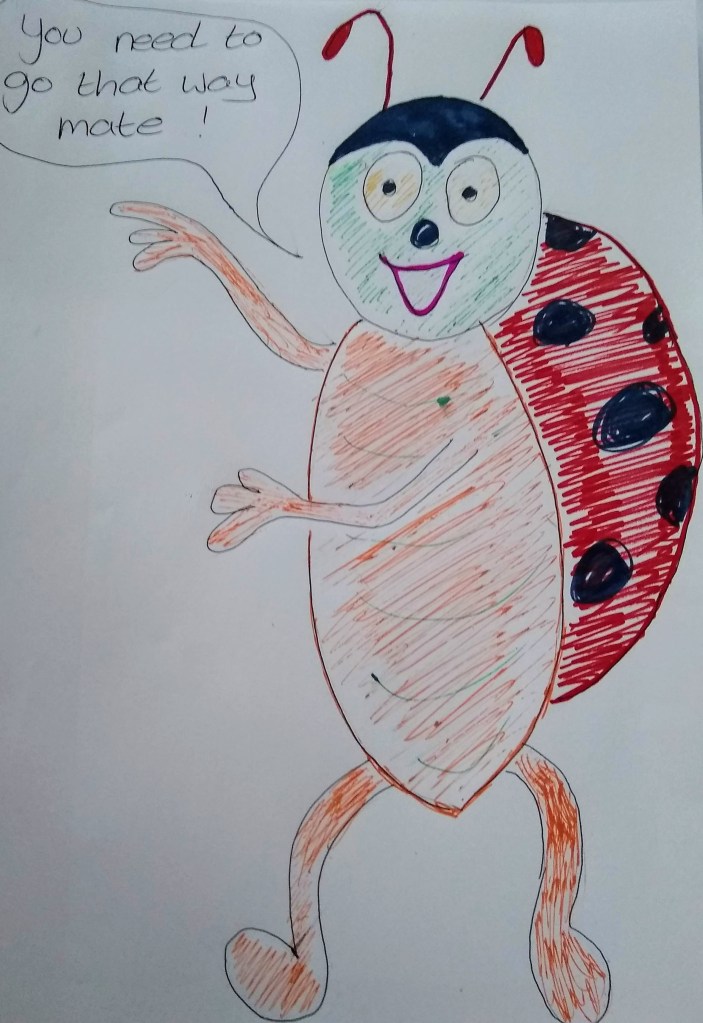
I’m starting to pick up some of the jargon, even if I don’t know what it actually means. There was talk of a heading bug – I’m sure I’ll find out what that is and how it works, but in the meantime, here’s my version…..

My image of a Heading Bug
The Heading Bug

Categories
General Aviation

Shall we or shan’t we?

Decisions still unmade, a choice between Charlie or another aircraft – nearer to home but we knew in our hearts it wasn’t for us. We hadn’t even seen it, let alone given it a name!

The final part of the process, before we parted with any money, was to give Charlie a try. Now Will, having left flying a few years ago and despite all good intentions to regain and keep his PPL has unfortunately let it lapse, so all we could do was rely on another member of the syndicate to spend their Sunday taking us out. The plan was made to go to Sandown on the Isle of Wight.

View over the Isle of Wight

After perusing multiple charts and maps, checking the aircraft and putting fuel in the tank, we were off. There wasn’t a huge amount of room in the back, but I didn’t expect the full hospitality service so that was fine. We were also limited to three people due to mass and balance – a bit of a shame as it meant the pilot’s wife couldn’t come, but the only alternative if we do want four on any trip in the future, will be to give everyone a couple of year’s notice so that we can all lose half our body weight!

It took about an hour to get to Sandown, through a few clouds, skirting round Salisbury Plain and over the channel at Lymington.

A meandering river heading towards the coast
Sandown Airport, Isle of Wight

Sandown Airport was quiet. Very quiet. But it did mean that the owner had the chance to show us round. Let’s just say that I can’t wait to go back next summer. Live bands, barbecue, camping, and, oh wow, if Carlsberg did showers…! As he explained, he wants it to be somewhere he’d like to go. It’s definitely a passion project. Next time I’ll take more photos (the blog idea wasn’t even a seed when we went) and I’ll hopefully get the chance to talk more to the owner about plans and lineup for next year.

Sandown itself is just a couple of miles away, around £6-£6.50 by taxi each way to the pier. There are a few taxi companies to choose from, but we went with A-Cabs (01983 866772), then wandered along the sea front for lunch at The Reef – I’d definitely recommend their fish & chips, though the bbq burgers looked pretty good too.

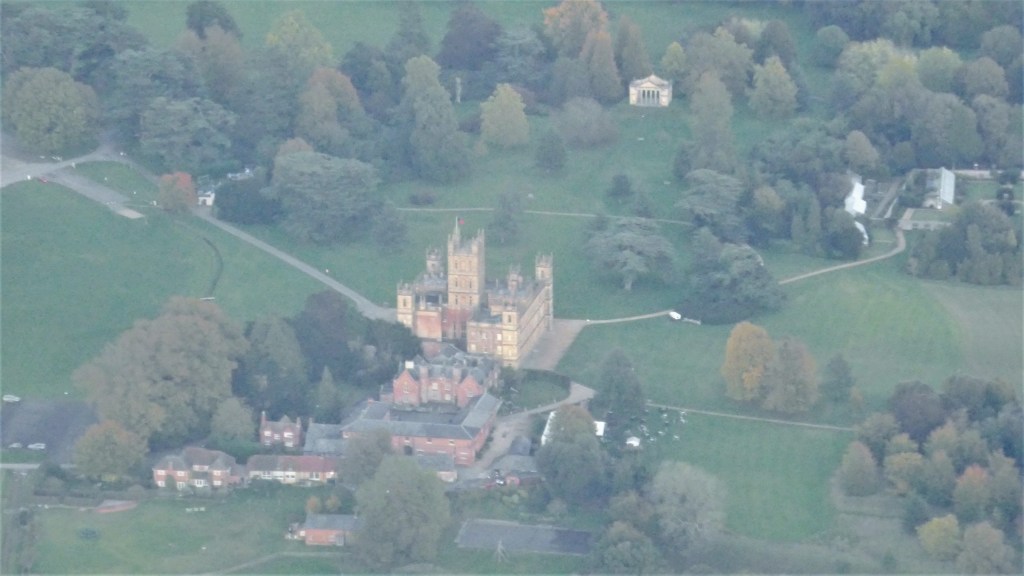
Highclere Castle, the location for Downton Abbey
Highclere Castle

Some of the highlights for me were:

  • The weather. We were really lucky as the following day it absolutely spanked it down with rain. In fact it was so hot we had to make sure we didn’t get sunburnt whilst eating lunch on the terrace.
  • Orbiting over ‘Downton Abbey’ (Highclere Castle) on the return flight.
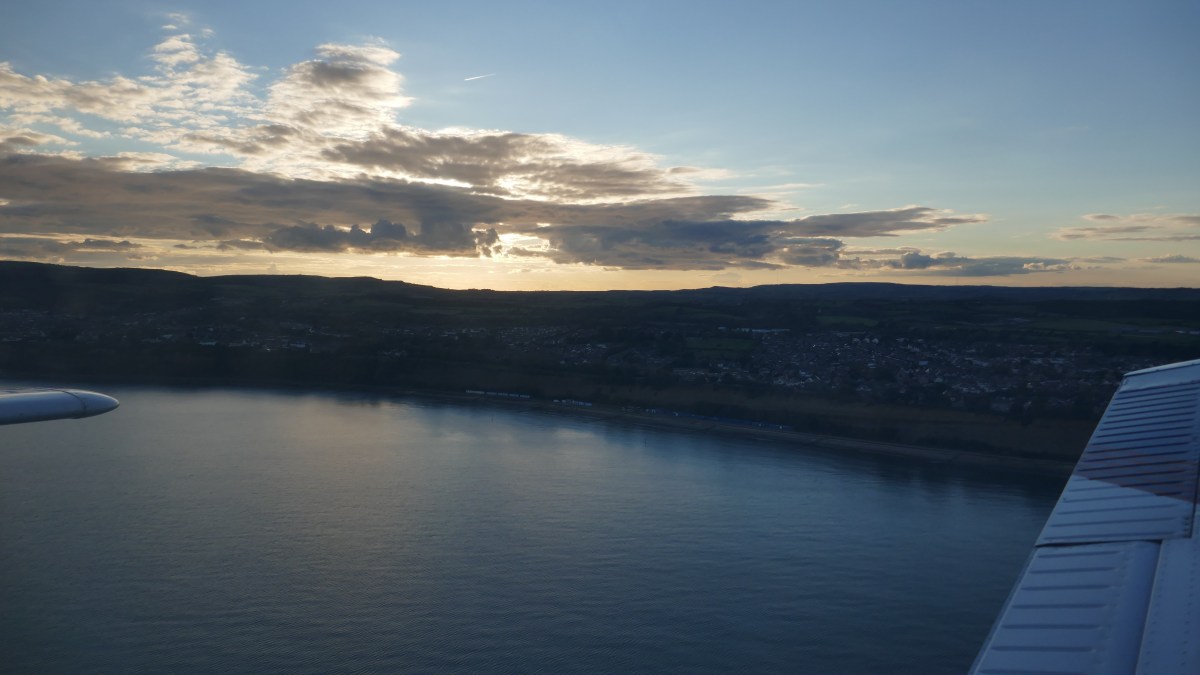
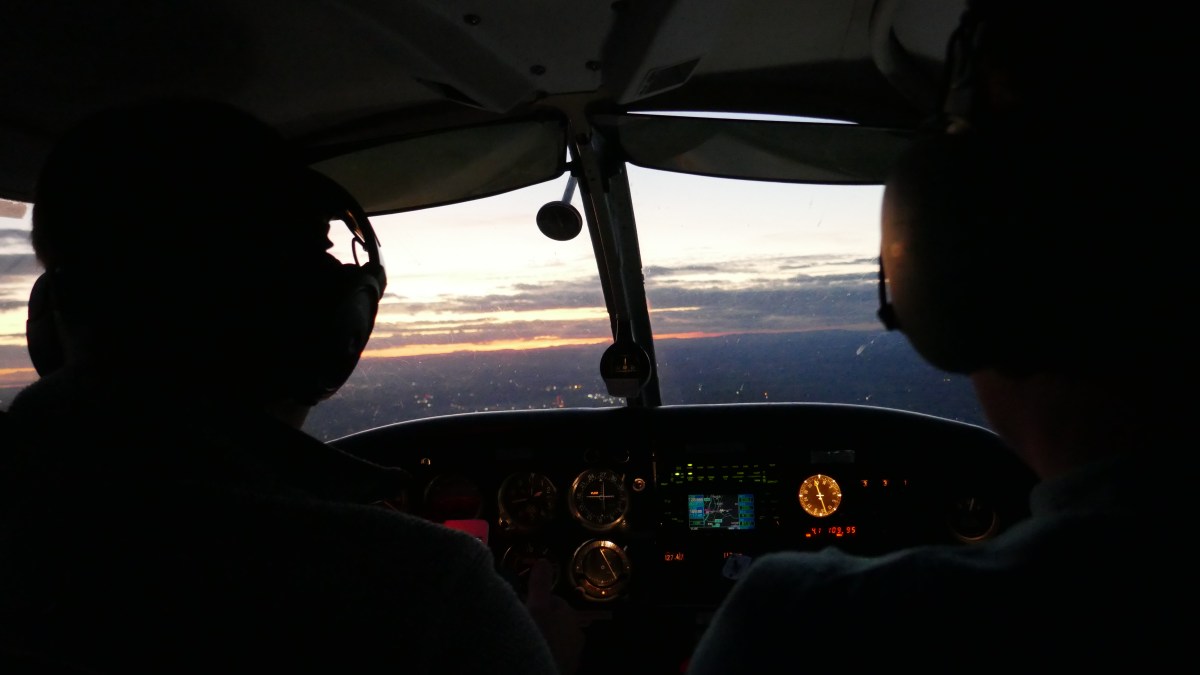
  • The gorgeous sunset as we headed back towards home.
sunset over the wing of the aircraft

____________________________________________________

And here’s a completely unrelated question to finish…. does Gloucester Services seriously expect people to crawl under the table to exit the shop !!???